The Best Crochet Hooks for Beginners (and How to Choose)
Aluminum, ergonomic, bamboo - and what the sizes mean. An honest, beginner-first guide to choosing your first crochet hook without overspending.
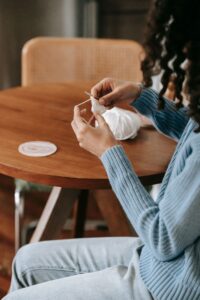
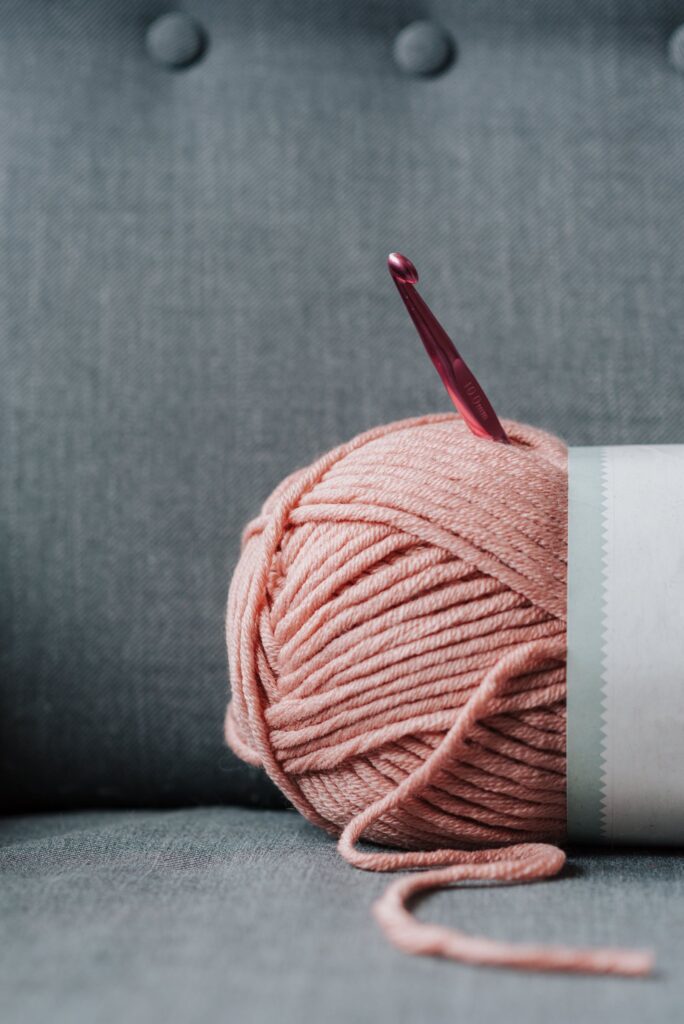
Walk into a craft store and the hook wall is genuinely overwhelming: dozens of sizes, a rainbow of materials, prices from pocket change to surprisingly steep. The truth is that a beginner needs one good hook, not a set of twenty, and the “best” one is mostly about comfort. Here’s how to choose without overthinking or overspending.
Jump to section
Most new crocheters freeze at exactly this wall, because every option looks like it might matter and none of the packaging explains why. It’s easy to assume the more expensive hook, or the one with the fanciest handle, must produce better stitches – but the hook barely affects the finished fabric at all. What it affects is your hand, over the hours you’ll spend holding it, which is a much more personal and much less mysterious thing to shop for.
Getting this decision right matters less than beginners fear and more than they expect, in different ways: no single hook will make or break your first project, but the wrong one – too thin a handle, a snaggy throat – can make your hand ache enough that you quietly stop practicing. A good outcome is a hook you stop noticing after the first few rows, because your hand isn’t fighting it.
Start with the right size
Hook size is the first thing to get right, because it has to match your yarn. For learning, the sweet spot is a 5.0 mm (US H/8) or 5.5 mm (US I/9) hook paired with worsted-weight (#4) yarn. That combination is large enough to see what your hands are doing and small enough to make a fabric that holds its shape. Every yarn label suggests a hook range – stay inside it and you can’t go far wrong.
Hook materials, honestly compared
- Aluminum – the standard. Smooth, affordable, and the yarn glides nicely, which suits fast, even stitching. The downside is a thin, hard handle that can tire your hand over long sessions. A perfectly good place to start.
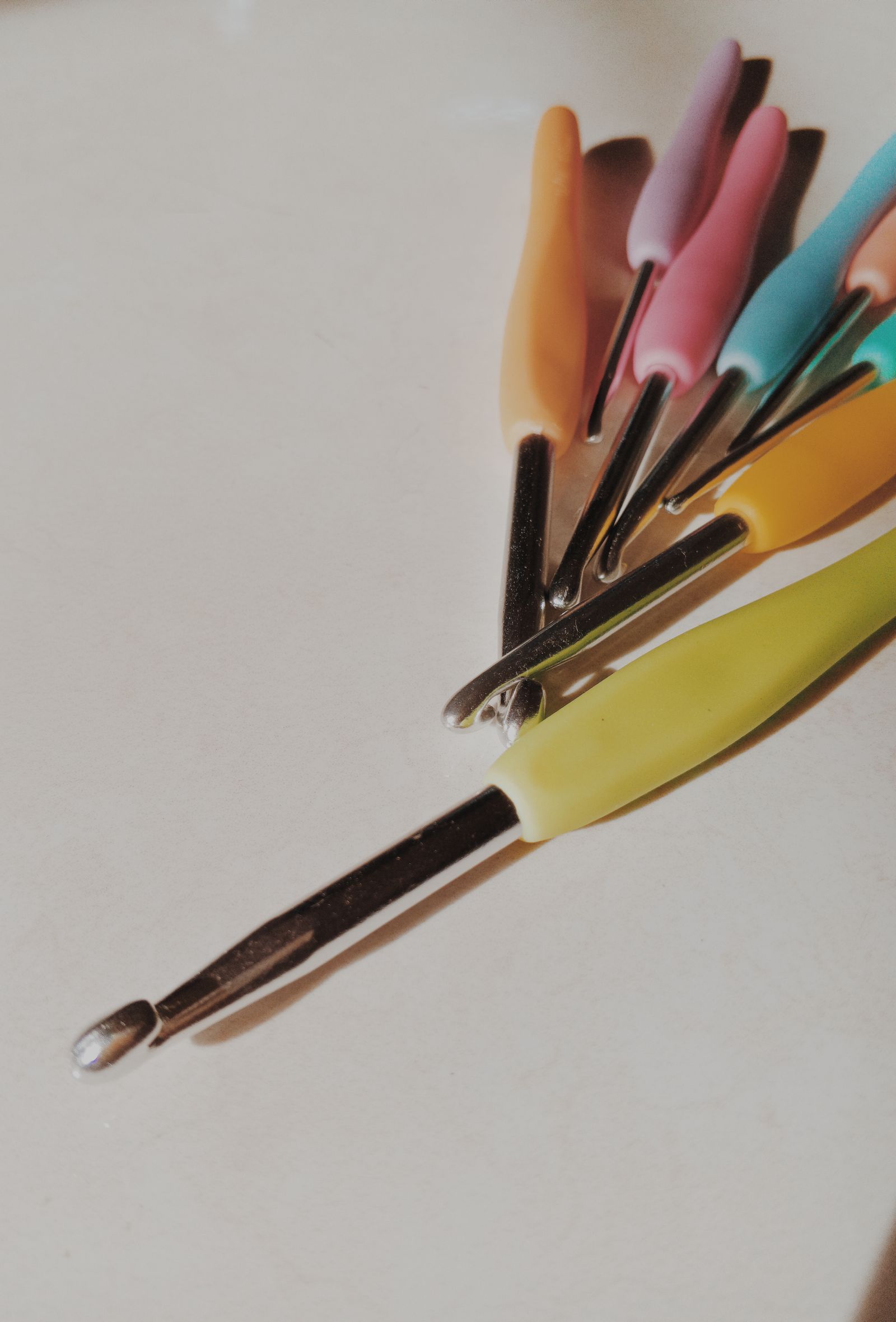
- Ergonomic (soft-grip) hooks – an aluminum or steel hook with a wide, cushioned handle. For many beginners this is the single best comfort upgrade, especially if your hand cramps. They cost a little more but pay for themselves in longer, pain-free sessions.
- Bamboo and wood – warm to the touch and lightweight, with a slightly grippier surface that some beginners love because stitches don’t slide off unexpectedly. That same grip can feel slow if you prefer speed.
- Plastic – cheap and light, mostly seen in very large sizes for chunky yarn. Fine for occasional use; the finish isn’t as smooth as metal.
What actually matters for a beginner
Two features make the biggest real-world difference: a comfortable handle and a smooth throat (the hooked part). If the throat snags your yarn or splits it, stitching becomes a chore no matter how nice the hook looks.
How to buy without wasting money
You have two sensible paths. Buy a single quality hook in 5.0 or 5.5 mm to learn with – the cheapest, lowest-commitment start. Or, once you know you enjoy crochet, buy an ergonomic set that covers the common sizes; a set works out cheaper per hook and means you’re ready for any beginner pattern.
A quick note on “best”
There’s no single best hook for everyone – the right one is the one your hand forgets it’s holding.
How to shop without overthinking it
If the wall of options is still stressing you out, here’s a simple order of operations. First, decide your size by looking at the yarn you already own or plan to buy – the label tells you the hook range, so let that narrow dozens of options down to two or three. Second, decide your budget for material: aluminum if you want the cheapest reasonable option, ergonomic if you can spend a little more and want your hand to thank you later. Third, if you’re shopping online rather than in a store, buy from a seller with an easy return policy so a hook that turns out uncomfortable in your hand isn’t money wasted – comfort is genuinely something you can’t judge from a photo.
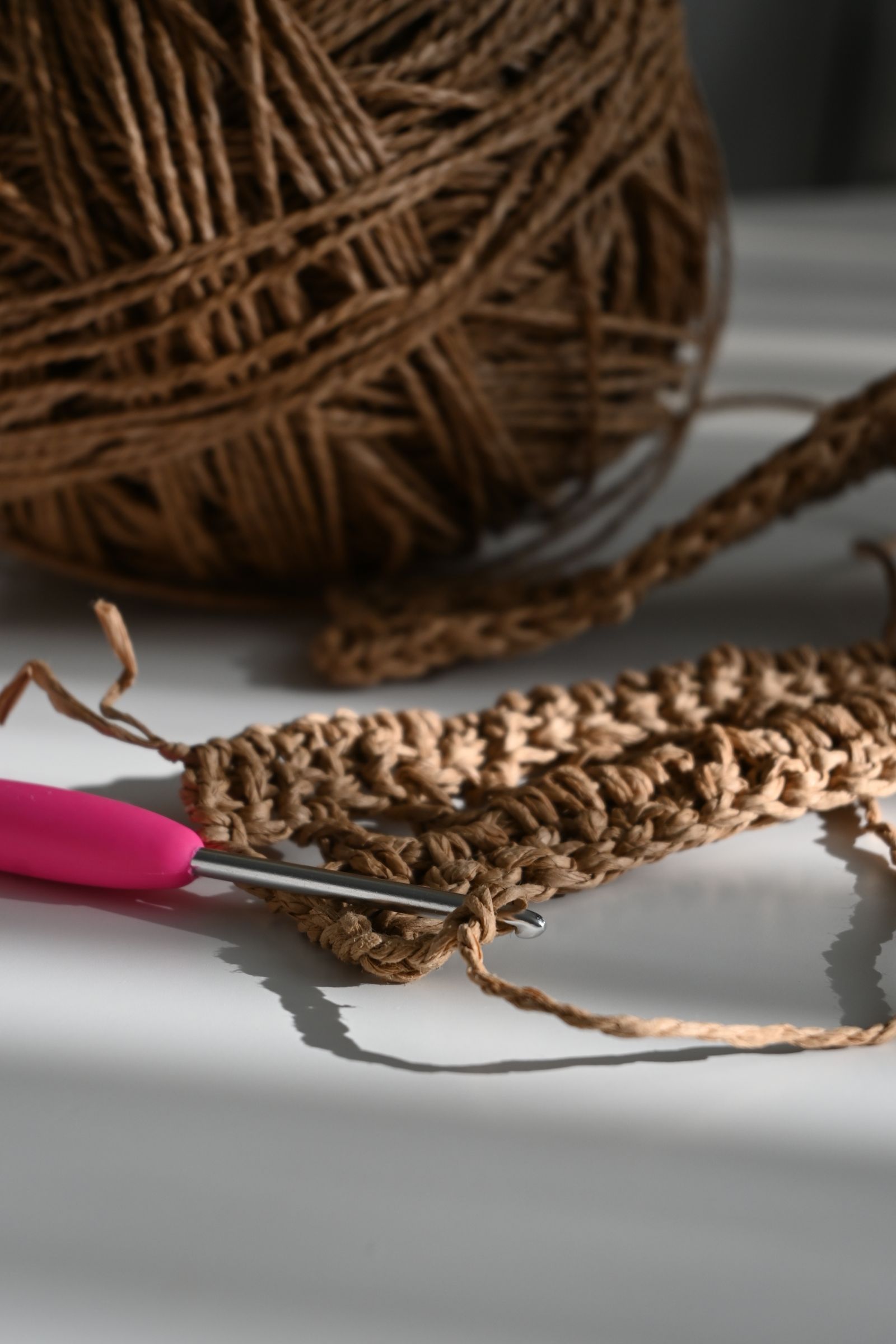
Once you’ve made that first choice, resist the urge to keep researching. A hook is a low-stakes purchase compared to, say, a sewing machine – if it doesn’t suit you, a better one is inexpensive to replace once you know what you’re looking for. Learning to hold a crochet hook comfortably matters at least as much as which hook you chose, so give your grip a little attention too, not just the shopping decision.
Frequently asked questions
What’s the one hook to buy first?
A 5.0 mm (H/8) hook with a comfortable handle, paired with worsted-weight yarn. It fits the widest range of beginner patterns.
Are expensive hooks worth it?
Not for the metal itself, but a well-made ergonomic handle genuinely reduces hand strain, which is worth it if you plan to crochet for more than a few minutes at a time.
Do I need steel hooks?
Only for very fine thread crochet, like doilies. For normal yarn projects, standard aluminum or ergonomic hooks are what you want.
Do I need a different hook for every yarn weight I try?
Eventually, yes – but not on day one. Start with one hook matched to worsted-weight yarn, and add sizes only when a specific project calls for a different weight.
Is a bigger hook actually easier for a beginner than a smaller one?
Generally yes, up to a point. A larger hook with thicker yarn is easier to see and slower to make mistakes in than a fine hook with thin yarn – which is exactly why worsted weight with a 5.0-5.5 mm hook is the standard beginner recommendation rather than something finer.