
Are Beginner Crochet Kits Worth It? What to Look For
Beginner crochet kits can be a smart shortcut or a poor fit for your very first project. Here is what a good kit includes and what to check before buying.
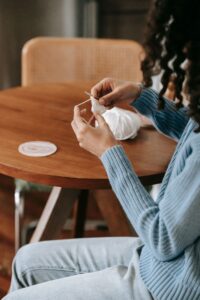
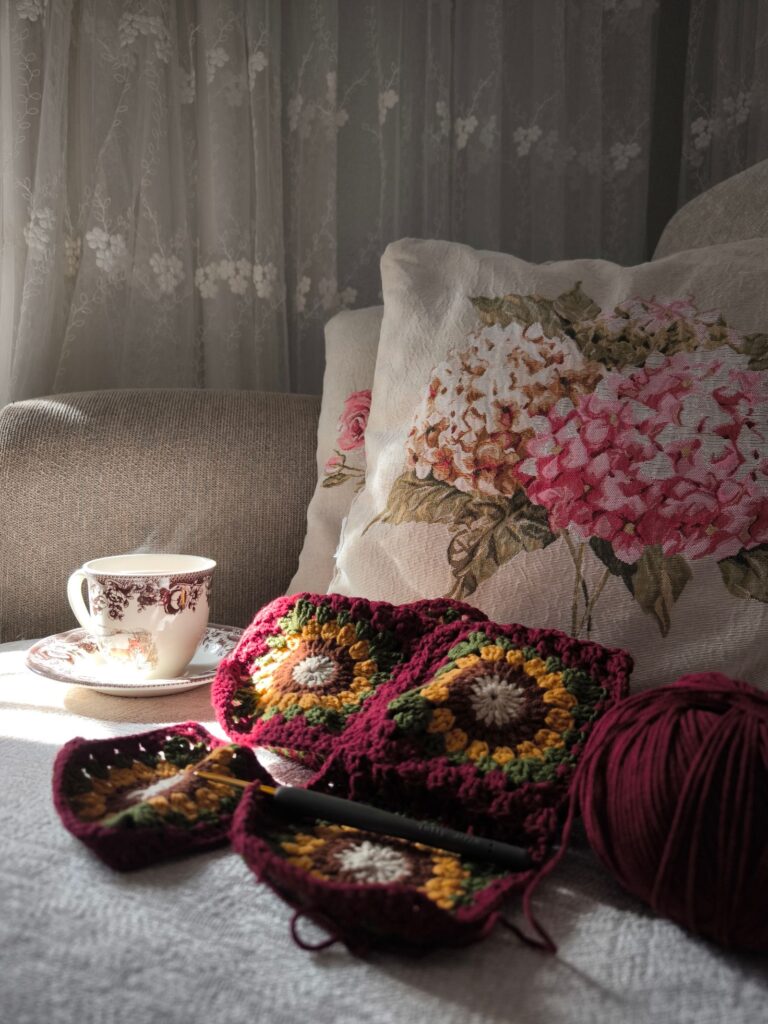
Beginner crochet kits are everywhere — bundled boxes promising everything you need to make your first project in one purchase. They can be a genuinely good option for some new crocheters, and a poor fit for others. Here’s an honest look at what a kit offers, where it helps, where it falls short, and what to check before buying.
Jump to section
The appeal is easy to understand: staring at a supplies checklist and a yarn aisle full of unfamiliar terms is exactly the kind of decision fatigue that stops people before they start. A kit promises to make that go away in one click – hook, yarn, pattern, done. Whether that promise is worth paying for depends less on the kit itself and more on which kind of beginner you are: someone who wants every decision made for them, or someone who’d rather learn the basics and choose their own materials.
Getting this choice right isn’t really about money, though price is part of it – it’s about which path keeps you motivated. A kit that sits unopened because the yarn color wasn’t to your taste isn’t a bargain no matter what it cost. A good outcome is starting with materials you’re actually excited to pick up, whether that came pre-packaged or assembled piece by piece.
What a good starter kit usually includes
- One or more crochet hooks sized for the included yarn.
- Enough yarn to complete a specific project, such as a small blanket, hat, or set of coasters.
- A yarn needle for weaving in ends and seaming.
- A written pattern or instruction booklet aimed at beginners.
- Sometimes stitch markers, a small bag, or a printed stitch guide.
The idea is that everything is matched — the hook size fits the yarn weight, and the pattern is scaled to the amount of yarn included — so you’re not left guessing whether your materials work together.
The case for buying a kit
Kits remove a lot of the early decision-making that feels overwhelming when you don’t yet know what “worsted weight” or “5.5mm hook” means. Everything arrives matched and ready, the pattern is usually beginner-minded, and it can feel more motivating to start with a clear, complete project. Kits also make thoughtful gifts for someone who wants to try crochet.
The case for buying supplies separately
Buying pieces individually usually costs less overall, since kits often charge partly for convenience. It also lets you choose the yarn fiber, color, and hook style you actually like, rather than whatever came in the box — which matters, since comfort with your materials affects how much you enjoy learning. If you already know the basics from a supplies checklist, buying separately gives you more control for little extra effort.
What to look for in a kit
- Clearly labeled yarn: the fiber content (like cotton or acrylic) and weight (like worsted/medium) should be stated, not a mystery.
- A hook sized appropriately for the yarn: for a first project, a smooth medium-weight yarn with a 5–5.5mm hook is a comfortable starting point.
- A genuinely beginner-friendly pattern: one that explains abbreviations and gives clear step-by-step instructions.
- Enough yarn for the stated project: check the yardage is realistic for the finished size promised.
- A reputable seller with a reasonable return or support policy, in case a piece is missing.
What to watch out for
Be cautious of kits with unlabeled or vague yarn (“soft craft yarn” with no fiber or weight), patterns with no beginner explanations, or a pile of extra tools you don’t need for the one included project. More gadgets doesn’t necessarily mean better value.
Whichever route you choose, the goal is the same: a hook and yarn that are easy to see and work with, paired with instructions that explain themselves. A good kit can deliver that in one box — but so can a few minutes picking supplies yourself with a checklist in hand.
Signs a kit isn’t the right fit for you
Some beginners are better served skipping kits altogether, and it’s worth recognizing the signs early rather than after the box arrives. If you already have strong color preferences or know you dislike a particular fiber – wool against sensitive skin is a common one – a pre-packaged kit takes that choice away from you at exactly the moment it matters most. If you’ve already read through a supplies checklist and feel confident picking a hook and yarn yourself, paying extra for the convenience of a kit is solving a problem you don’t actually have anymore.
It’s also worth pausing if the only kits available in your price range compromise on the yarn or hook quality to hit a lower number – a cheap kit with unlabeled acrylic and a flimsy hook can be a worse start than a plain quality hook and one well-chosen ball of yarn bought separately for the same money. A kit should make your first project easier, not just cheaper-looking on a shelf.
Frequently asked questions
Are crochet kits more expensive than buying separately?
Often somewhat, since part of the price covers convenience and packaging — but the difference is usually modest, and the trade-off is less guesswork.
Do I need special tools that only come in a kit?
No — the essentials (a hook, yarn, scissors, a yarn needle, stitch markers) are all available individually and work the same.
What’s the biggest red flag in a beginner kit?
Yarn with no fiber content or weight listed, since that makes it impossible to judge whether the hook matches or to rebuy similar yarn later.
Can I mix and match – buy a kit but swap out the yarn color?
Usually yes, if the seller sells the same kit in multiple colorways, or if you buy just the pattern and hook from a kit and choose your own yarn separately. It’s worth checking before you buy if color matters to you.
Is a kit a good idea as a gift for someone who’s never tried crochet?
Often yes – a kit removes the research step entirely, which is helpful for someone who hasn’t yet decided whether they’ll stick with the hobby. Just check that the pattern is genuinely beginner-friendly before wrapping it.

4 responses